

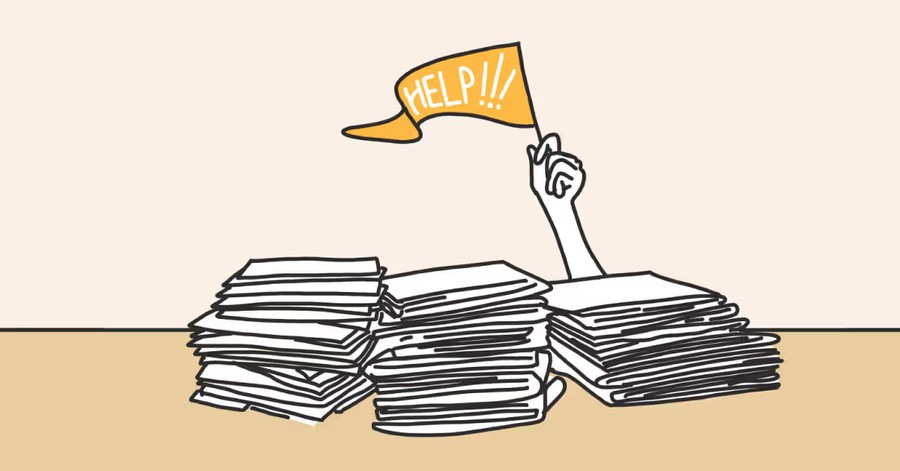
Not all exhaustion comes from physical effort. Sometimes the tiredness people experience runs much deeper. They sleep through the night yet wake up drained. They finish tasks but feel no sense of accomplishment. Conversations become harder to engage in, and even activities they once enjoyed start to feel like obligations.
Emotional burnout often develops quietly. Unlike sudden illnesses or injuries, it tends to build gradually through weeks or months of ongoing stress, responsibility, and emotional strain. Because the process is slow, many people fail to notice the warning signs until they feel completely overwhelmed.
In discussions about maintaining accountability and emotional stability during challenging periods, some individuals find that structured routines can reduce uncertainty. In certain circumstances involving recovery or behavioral monitoring, Soberlink is helpful because it provides a framework that supports consistency and trust. More broadly, this highlights how predictable systems can sometimes ease emotional burdens when life feels difficult to manage.
Key Takeaways
. Emotional burnout often develops gradually rather than appearing suddenly.
. Constant fatigue, irritability, and emotional detachment can be early warning signs.
. Burnout affects relationships, motivation, and overall well-being.
. Recognizing symptoms early makes recovery more manageable.
. Healthy boundaries and self-awareness can help prevent emotional exhaustion from escalating.
When Everyday Tasks Start Feeling Unusually Heavy
One of the earliest indicators of emotional burnout is a growing sense that routine responsibilities require far more effort than usual. Simple tasks such as answering messages, attending meetings, preparing meals, or completing household chores may begin to feel overwhelming. People often describe this experience as carrying an invisible weight that makes ordinary activities seem unusually demanding.
While everyone has difficult days, persistent feelings of heaviness may signal that emotional resources are becoming depleted.
Irritability That Seems Out of Character
Burnout does not always appear as sadness. In many cases, it shows up as frustration. A person who is normally patient may become easily annoyed by minor inconveniences. Small mistakes, delays, or interruptions can trigger reactions that feel disproportionate to the situation.
This increased irritability often occurs because emotional reserves have been stretched too thin. When stress accumulates over time, the ability to regulate emotions becomes more challenging.
Feeling Disconnected from People and Experiences
Another common sign of emotional burnout is a sense of detachment. Individuals may continue participating in social events, family activities, or work responsibilities while feeling emotionally absent. They are physically present but mentally distant.
This disconnect can create confusion because outwardly, everything may appear normal. Internally, however, enthusiasm and emotional engagement have begun to fade. Recognizing this shift early can prevent deeper emotional exhaustion from taking hold.
The Loss of Motivation That Cannot Be Fixed by Rest Alone
Most people assume that fatigue can be solved with sleep or a short break. Emotional burnout is different.
Someone experiencing burnout may take time off yet continue feeling uninspired and mentally drained. Goals that once felt meaningful may lose their appeal. Productivity declines not because of laziness, but because emotional energy has been depleted.
When motivation remains low despite adequate rest, it may be time to examine the underlying sources of stress.
Physical Clues That Should Not Be Ignored
Emotional strain often affects the body as much as the mind. Frequent headaches, muscle tension, digestive discomfort, and changes in sleep patterns can all accompany emotional burnout. The body and mind are closely connected, which means prolonged stress frequently produces physical symptoms.
Ignoring these signals can make recovery more difficult. Paying attention to them allows people to address concerns before they become more severe.
The Role of Constant Self-Criticism
Burnout often changes the way people view themselves. Tasks that were once completed successfully may suddenly feel inadequate. Individuals begin focusing on mistakes while overlooking accomplishments. Even small setbacks can fuel feelings of failure.
This negative internal dialogue can create a cycle where emotional exhaustion leads to self-criticism, which then increases emotional exhaustion further. Breaking this cycle requires self-awareness and realistic expectations.
Trust, Structure, and Emotional Relief
Periods of emotional strain sometimes coincide with efforts to rebuild trust or establish healthier routines. In these situations, soberlink, an alcohol monitoring device, may become part of broader discussions involving accountability and transparency. While emotional burnout has many possible causes, stable structures and clear expectations can reduce uncertainty, which may help ease some forms of emotional pressure within relationships.
Why Early Recognition Matters
Many people wait until they feel completely overwhelmed before taking burnout seriously. Unfortunately, recovery often becomes more difficult when emotional exhaustion reaches that stage.
Recognizing the early signs creates opportunities to make adjustments before stress becomes unmanageable. This may include setting boundaries, seeking support, reducing unnecessary commitments, or prioritizing restorative activities. Small changes made early can have a significant impact on long-term well-being.
Moving Forward Before Burnout Takes Control
Emotional burnout rarely appears overnight. It develops through accumulated stress, emotional demands, and prolonged periods of feeling stretched beyond one’s limits. The encouraging news is that the early signs are often visible if people know what to look for. Increased irritability, persistent fatigue, emotional detachment, and declining motivation are not weaknesses. They are signals.
By paying attention to those signals and responding with intention, individuals can protect their emotional health and create a more sustainable balance in their daily lives.